Dry Rot Treatment Surrey: Early Signs, Hidden Risks and When to Book a Specialist Survey
If you are searching for dry rot treatment Surrey property owners can rely on, there is usually a reason you are concerned. It may be a springy floor, crumbling skirting, a musty smell in a cupboard, cracked timber around a damp wall or signs of previous repairs that do not seem to have solved the issue.
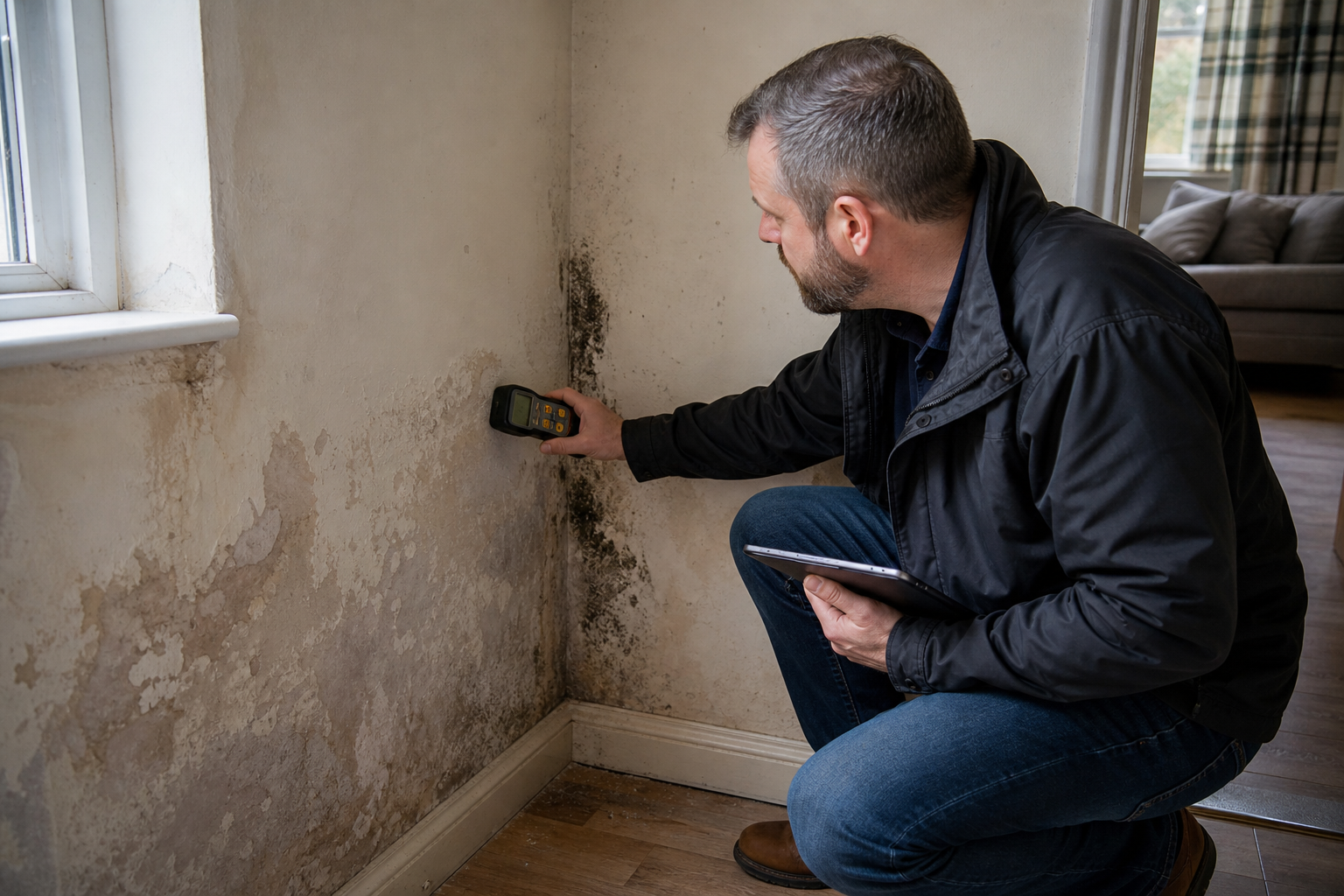
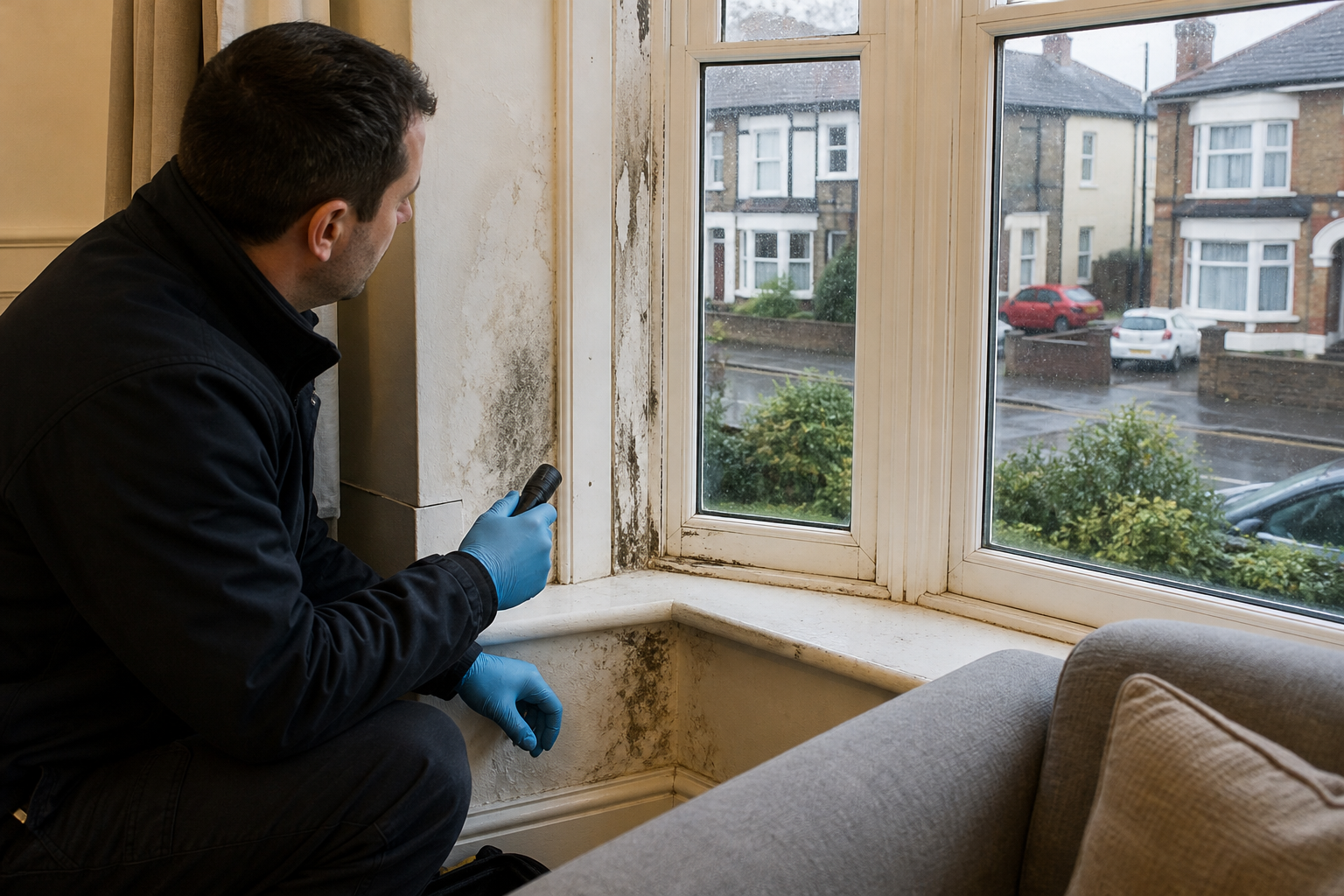
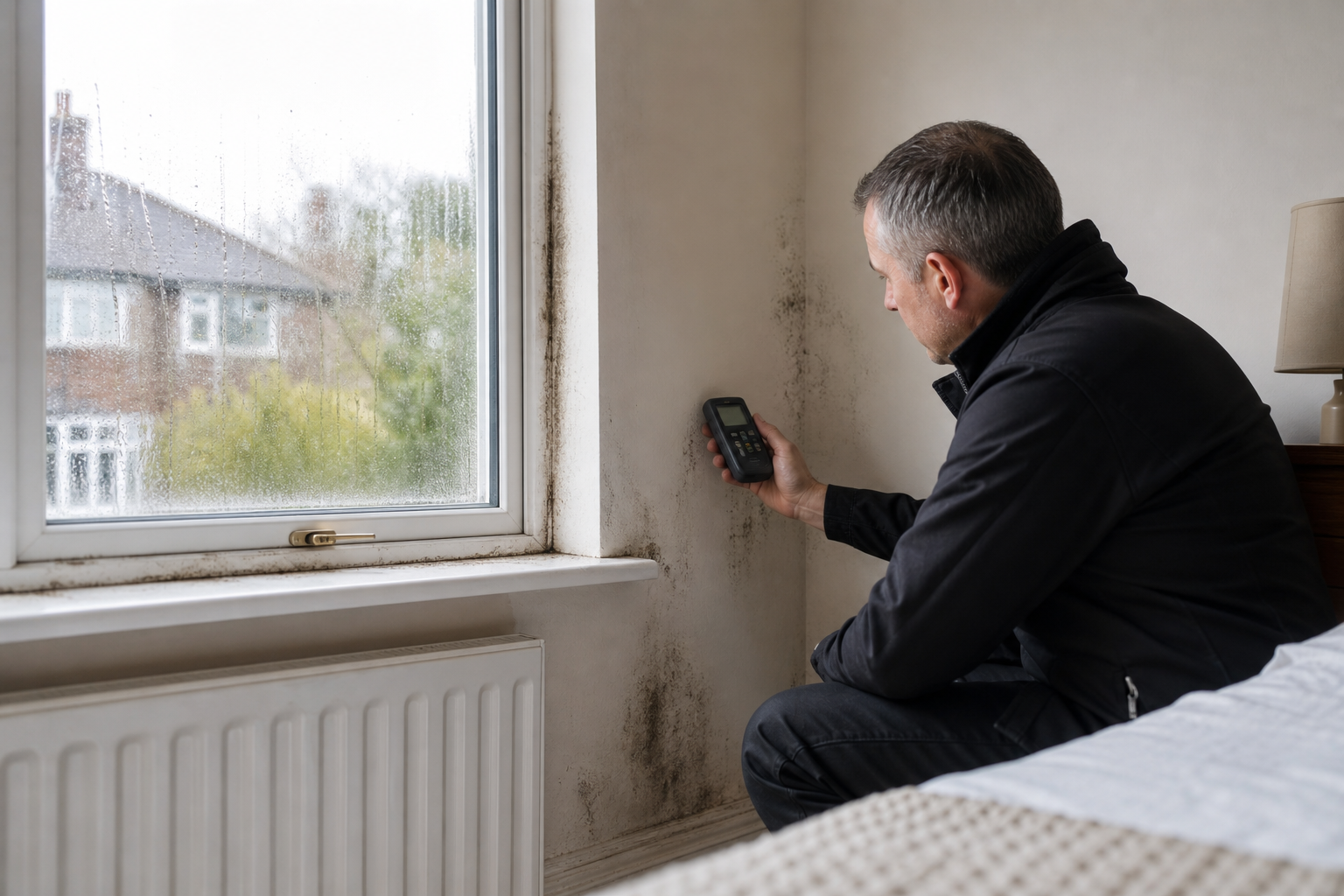
Dry rot is one of the timber problems people worry about most, but it is also one of the easiest to misunderstand. Not every decayed timber is affected by dry rot, and not every visible symptom tells you where the problem started. At Surrey Hills Damp, we take an inspection-led approach from our base in Littlehampton, helping homeowners, landlords and businesses across Surrey identify the moisture source, assess the timber properly and choose the right remedial work.
In this guide, we explain the early warning signs, the hidden risks and when it makes sense to book a specialist survey rather than guessing.
Dry rot treatment Surrey: why early diagnosis matters
Dry rot is a form of fungal timber decay that needs moisture to become established. That point matters because treatment is not just about the affected timber. The moisture source that allowed the problem to start must also be identified and addressed.
Once active, dry rot can affect concealed areas such as floor voids, embedded joist ends, roof timbers and hidden joinery. In other words, the damage you can see may only be part of the picture.
Early diagnosis helps with three things:
It reduces guesswork. Dry rot, wet rot, historic decay and general damp damage can look similar at first glance.
It limits unnecessary work. A proper survey can help establish what is actually affected and what is still sound.
It helps protect the rest of the property. The longer moisture and timber decay are left unresolved, the wider the repair scope can become.
That is why our damp investigation services focus on the cause before the cure.
Early signs of dry rot in Surrey properties
Dry rot often starts out of sight, but properties usually give off clues before major timber repairs are needed. The key is knowing which signs deserve a closer look.
Changes in the timber itself
Timber that feels brittle, weak or unusually dry in appearance
Deep cracking along the grain
Timber breaking down into cube-like sections
Skirting boards, floorboards or joinery that crumble under pressure
Embedded timber ends that have decayed where they meet damp masonry
These signs do not automatically confirm dry rot, but they do suggest the timber needs professional assessment.
Fungal growth and residue
In more developed cases, you may notice visible fungal growth. This can include cotton-like white or grey growth, fine strands travelling across surfaces or rusty-orange spore dust in the affected area.
Some properties also show a fruiting body, particularly where the problem has been left for some time. However, many dry rot cases do not present with an obvious dramatic growth, which is why visible fungus should not be the only thing you rely on.
Property symptoms around the affected area
A persistent musty smell in enclosed spaces
Springy or uneven floors
Door frames or skirtings loosening from the wall
Repeated decoration failure near timber details
Damp patches nearby that seem to return after cosmetic repair
These broader symptoms matter because dry rot is usually part of a wider moisture problem rather than a stand-alone defect.
Hidden risks of leaving dry rot untreated
One reason dry rot causes so much concern is that the visible damage is not always the full extent of the problem. Delaying action does not always mean immediate major failure, but it can make later repairs more involved and more disruptive.
Moisture may still be feeding the problem
Dry rot does not appear for no reason. A leak, defective rainwater goods, poor ventilation, penetrating damp, chimney-related moisture or long-term condensation in an enclosed void may all contribute to the conditions that allow timber decay to develop.
If the timber is treated but the moisture source is left in place, the property has not really been protected. This is why diagnosis comes first.
Damage can spread beyond the first room
In some properties, decay starts beneath a floor, around a bay, near a chimney breast, in a cellar edge or at roof level, then affects adjoining structural timber. The stain, smell or failed skirting you notice in one room may only be where the problem finally became visible.
This is especially important in older buildings, properties with suspended timber floors and homes that have had previous damp repairs or ventilation changes.
Superficial repairs can hide the true issue
Replacing a skirting board, repainting a patch or boarding over damaged material may improve appearance for a while, but it does not tell you whether the timber behind remains sound. In practice, surface repairs often delay the moment the real defect is properly investigated.
Why dry rot is often misdiagnosed
Dry rot has a reputation, and that sometimes leads to assumptions. We regularly find that timber concerns need a more careful diagnosis before any treatment is recommended.
It can be confused with other timber problems
Wet rot: another fungal decay linked to dampness, but with different behaviour and repair implications
Historic woodworm damage: old flight holes do not always mean active infestation now
General damp-related deterioration: long-term moisture can weaken timber without classic dry rot being present
Age-related wear: older joinery may crack or distort for reasons unrelated to active fungal decay
Our wood preservation and timber decay treatment approach starts by separating these issues properly, because the right remedy depends on what is actually happening in the building.
The moisture entry point may be elsewhere
One of the biggest reasons dry rot gets missed is that the fungus can be discovered in a different place from where the moisture first entered. An issue below a floor may relate to a hidden leak, poor sub-floor ventilation, external defects or another persistent source of dampness nearby.
A good survey should look at the building as a whole rather than treating one isolated timber in isolation.
When to book a specialist survey
You do not need to wait until timber has completely failed before arranging a survey. In fact, earlier inspection is usually the better option.
We recommend booking a specialist survey if:
You have found soft, cracked or crumbling timber
A floor feels springy, uneven or less solid than it used to
There is a persistent musty smell in a void, under-stairs area, cellar or roof space
You have recurring damp around skirtings, bay windows, chimney breasts or external walls
A general survey has mentioned possible timber decay but not confirmed the cause
You are buying a property and want clarity before exchange
A previous leak or damp issue may have affected hidden structural timber
If you are purchasing a home and timber concerns have been flagged, our pre-purchase damp surveys can help you understand the likely cause and the scope of any remedial work before you commit.
What a specialist dry rot survey and treatment plan should involve
Dry rot treatment should never be reduced to a one-size-fits-all spray or quick surface fix. The right plan depends on the building, the moisture source and the extent of any timber involvement.
1. Confirming the cause of moisture
We inspect the surrounding structure to establish why conditions have allowed decay to develop. That may involve looking at ventilation, leaks, rain penetration, chimney defects, masonry moisture or other damp mechanisms.
2. Assessing the extent of affected timber
The visible timber is only part of the assessment. A survey should consider adjoining areas, concealed sections and the likelihood of hidden spread, especially where timbers are built into walls or sit within enclosed voids.
3. Distinguishing dry rot from other defects
This stage is essential. Correct diagnosis helps avoid unnecessary work and ensures that any recommended treatment is proportionate to the real issue.
4. Recommending the right remedial work
Depending on the findings, the solution may include moisture control measures, removal of irreparably decayed timber, replacement with sound material, improvement of ventilation and targeted treatment to affected areas. The exact specification should be based on the survey findings, not assumptions.
5. Providing a clear next step
Where remedial work is needed, we provide clear advice and free written quotes so you can make an informed decision about the best way forward.
Why Surrey Hills Damp is a trusted choice for Surrey property owners
At Surrey Hills Damp, we specialise in damp proofing, timber preservation and condensation control for domestic and commercial properties. From our base in Littlehampton, we work across Surrey and the surrounding areas, helping clients get to the root of damp and timber problems rather than masking the symptoms.
Clients choose us because our approach is built around proper diagnosis. We bring over 15 years of experience, a background in Building Pathology and the use of diagnostic equipment to assess the building carefully before recommending repair. We are also fully insured and offer free written quotes.
Whether the concern is confirmed dry rot, another form of timber decay or a wider damp issue affecting the structure, the goal is the same: give you a clear, honest path to protecting the property.
Frequently asked questions about dry rot treatment in Surrey
How do I know if I need dry rot treatment in Surrey?
If you have decaying timber, a springy floor, a musty smell, recurring damp near timber details or a survey report that mentions possible fungal decay, it is sensible to arrange a specialist inspection. The survey will establish whether dry rot treatment is actually needed or whether another issue is present.
Is dry rot always visible on the surface?
No. In many properties, some of the most important damage is concealed beneath floors, behind plaster, within roof spaces or at the ends of built-in timbers. Visible symptoms may only appear once the issue is already established.
What is the difference between dry rot and wet rot?
Both are forms of fungal timber decay linked to moisture, but they behave differently and can require different repair approaches. That is one reason a professional diagnosis matters before any treatment is specified.
Can dry rot come back after treatment?
If the moisture source is not properly addressed, timber problems can recur. Effective treatment is about more than the visible fungus. It should deal with the conditions that allowed decay to develop in the first place.
Should I buy a property if dry rot is suspected?
Not without understanding the cause and likely repair scope first. A specialist survey can give you clearer information before exchange, helping you assess the property with more confidence.
Book a dry rot and timber survey
If you are worried about decaying timber, the best next step is to identify the moisture source and establish exactly what type of problem you are dealing with. Acting early can help you avoid unnecessary disruption and ensure any remedial work is properly targeted.
To arrange a dry rot and timber survey with Surrey Hills Damp, call 01403 889161, email info@surreyhillsdamp.co.uk or visit our website. We help homeowners, landlords and businesses across Surrey with honest surveys, clear advice and tailored treatment recommendations.